Red Dirt on Concrete? Try These Surface-Safe Solutions
If you live in Byron Bay or the surrounding Northern Rivers, you already know the red-orange soil that gives the hinterland its character. It also has a talent for ending up on driveways, patios, pool surrounds, and garage floors. After a heavy downpour, a landscaping project, or a muddy week of tradie traffic, concrete can look stained, patchy, and tired. The good news is that red dirt can be removed safely, as long as you choose the right method for your surface.
Why Red Dirt Stains Concrete So Easily
The red and orange colour in Northern Rivers soil comes from iron oxides, essentially a form of rust in fine particle form. These particles are extremely small, so they settle into the microscopic pores of concrete rather than just sitting on top. Concrete is naturally porous, which means moisture carries the pigment deeper, especially when the surface is unsealed.
Byron Bay's humid subtropical climate makes this worse. Frequent rain, high humidity, and slow drying times give the soil more opportunity to bond with the surface. Sandy coastal conditions add abrasive grit that can scratch concrete and trap more pigment. Left alone, light staining can turn into a stubborn, set-in discolouration.
Act Quickly: The First Line of Defence
The sooner you deal with red dirt, the easier it is to remove. Fresh mud can often be cleared without any chemicals at all.
Dry Removal First
Let wet mud dry slightly, then sweep up as much as possible with a stiff broom. Adding water too early pushes fine particles deeper into the pores. Removing the bulk of the loose material first reduces the amount of pigment you need to treat later.
Low-Pressure Rinse and Scrub
Wet the area with a garden hose and scrub with a stiff nylon-bristle brush and a mild detergent. Avoid wire brushes, which can scar the surface and leave steel fragments that rust and create new stains. Rinse thoroughly and allow the concrete to dry fully before judging the result, since damp concrete always looks darker.
Surface-Safe Cleaning Solutions That Work
For stains that remain after basic scrubbing, a targeted approach is needed. These are the most reliable options for residential concrete.
- Oxygen-based cleaners (sodium percarbonate): A gentle, effective choice for general soil discolouration. Mix with warm water as directed, let it dwell for 15 to 30 minutes, then scrub and rinse. It is safe for most concrete and kinder to nearby garden beds than harsh chemicals.
- Alkaline degreasers: Useful where red dirt has combined with oil, tyre marks, or organic grime, which is common on driveways and carports.
- Rust removers with oxalic acid: Because iron oxide is the culprit, oxalic acid-based products can break down stubborn orange staining. Use according to the label, wear protective gloves and eyewear, and rinse thoroughly.
- Poultice treatments: For deeply embedded stains, a poultice (an absorbent paste mixed with a cleaning agent) draws pigment out of the concrete as it dries.
Always test any product on a small, inconspicuous area first. Concrete finishes vary, and what works on a plain broom-finished driveway may dull a polished or decorative surface.
What to Avoid
Some popular quick fixes cause more harm than good. Understanding the risks protects your investment.

Hydrochloric (Muriatic) Acid
Strong acid can etch concrete, strip the surface cream, and leave a rough, uneven finish. It can also damage surrounding plants and corrode metal fixtures. It is rarely the right answer for a simple soil stain.
Chlorine Bleach
Bleach does little to remove iron-based pigment and can react with other chemicals to produce dangerous fumes. It can also harm lawns and garden beds, and runoff may enter stormwater drains, which is a concern in a region that values its waterways.
Excessive Pressure
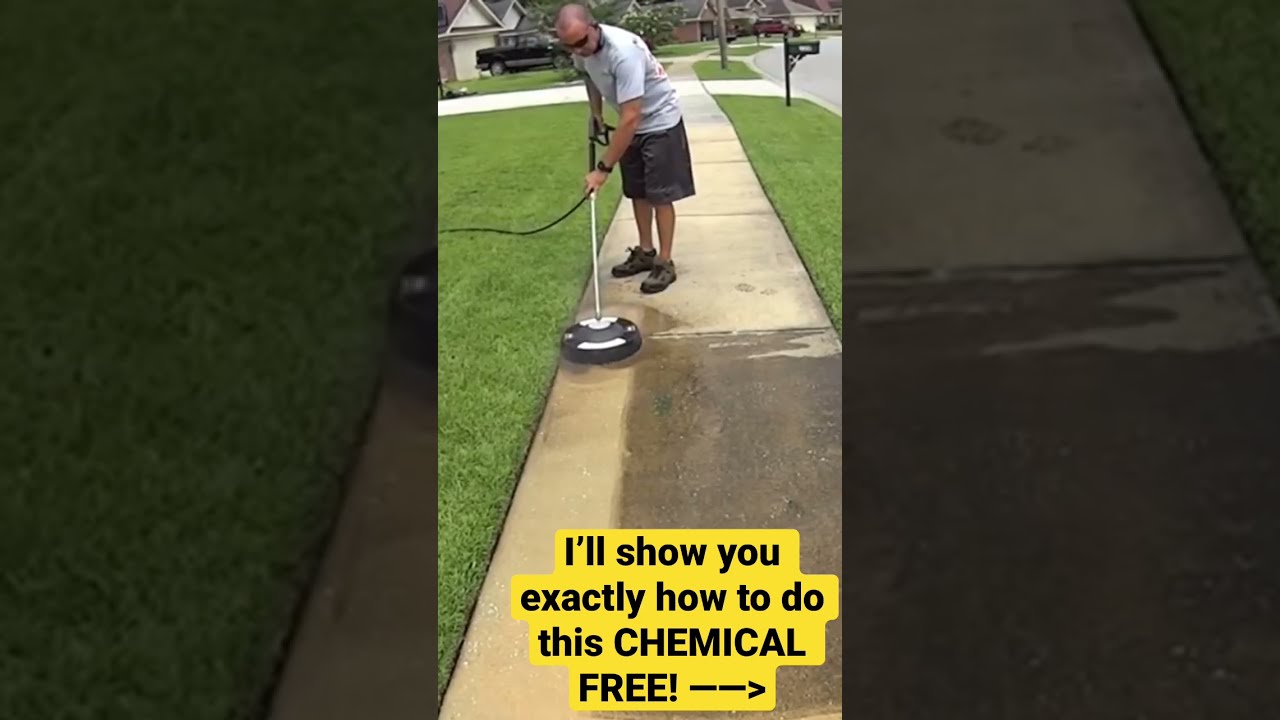
High-pressure water can remove stains quickly, but a concentrated jet or a turbo nozzle too close to the surface can etch lines, expose aggregate, and cause permanent damage. Use a wide fan tip, keep the nozzle moving, and maintain a consistent distance.
Pressure Washing the Right Way
Pressure cleaning is one of the most effective methods for larger areas such as driveways, paths, and alfresco zones, provided it is done correctly. Pre-treat stains with a suitable cleaner, allow dwell time, and then use a surface cleaner attachment rather than a bare wand. A rotary surface cleaner delivers even results and avoids the striped marks often seen with DIY efforts.
Hot water systems can boost performance by loosening fine clay particles more effectively than cold water. Professionals often use this approach for heavily soiled concrete, particularly where staining has built up over several wet seasons.

Protecting Local Waterways and Gardens
Byron Bay is known for its environmental awareness, and rightly so. Wash water containing detergents, sediment, or chemicals should not flow into stormwater drains, creeks, or the ocean. Where possible, direct runoff onto lawn or garden areas that can filter it, or collect it for proper disposal. Choose biodegradable, low-phosphate products and avoid washing during heavy rain. Professional cleaners often use containment and recovery methods to keep runoff under control, which is worth considering for larger jobs.
Prevent Red Dirt Stains Before They Start
Once your concrete is clean, a few simple habits and treatments make future cleaning far easier.
- Seal the concrete: A quality penetrating or acrylic sealer reduces porosity, so soil and moisture have a harder time soaking in. Reapply every few years depending on traffic and exposure.
- Manage exposed soil: Cover garden beds with mulch, groundcover, or turf near paved areas to reduce splash-back during storms.
- Improve drainage: Check that gutters, downpipes, and surface drains are directing water away from concrete and soil banks.
- Sweep regularly: Removing loose dirt before rain arrives prevents it from turning into a stain.
- Use entry mats: Place heavy-duty mats at doorways and garage entries to catch soil from shoes and tyres.
When to Call a Professional
DIY methods suit light to moderate staining, but there are times when expert help saves money and frustration. Consider a professional concrete cleaning service in Byron Bay if you have:
Large areas such as long driveways or multi-level outdoor spaces, decorative, exposed aggregate, or stamped concrete that can be easily damaged, deep stains that have not responded to home treatments, or surfaces that need sealing after cleaning for long-term protection. Professionals have commercial-grade equipment, an understanding of how different finishes respond to cleaning agents, and the ability to manage wastewater responsibly.
Restore Your Concrete the Safe Way
Red dirt is part of life in Byron Bay, but it does not need to leave a permanent mark on your property. Start with gentle dry removal, move to oxygen-based or rust-targeted cleaners for tougher stains, avoid harsh acids and aggressive pressure, and protect your surfaces with sealing and smart landscaping. With the right approach in 2026, your concrete can look clean and fresh while staying kind to your garden and the local environment. If the stain is stubborn or the surface is delicate, a local cleaning https://kameronafol160.swiftnestly.com/posts/why-regular-solar-panel-washing-maximises-energy-yield specialist can deliver a safe, even result that lasts.
Byron Bay Pressure Cleaning Pros
0440 133 038